 UK
UK
 Brasil
  Chile
Chile  Deutschland
  España
  France
  International
  Italia
  Panamá
  Portugal
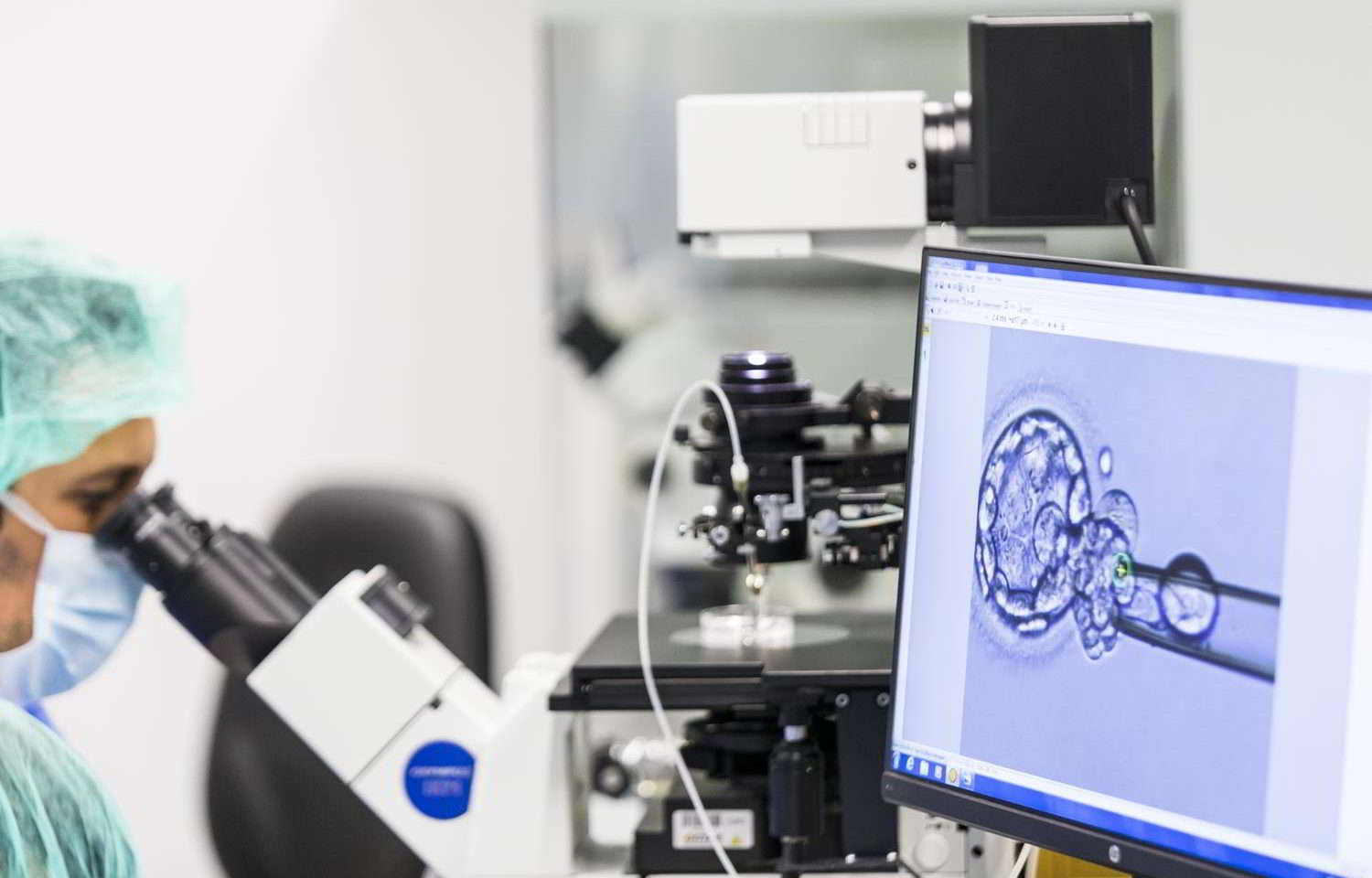
According to the National Institute for Health and Care Excellence (NICE), one in seven heterosexual couples in the UK is affected by infertility. Since their original guidelines were published in 2004, NICE has also reported an increase in the incidence of infertility, with more and more people seeking help and treatment. In Europe more widely, birth rate statistics have fallen for generations. While this in part is caused by a mix of social and cultural factors, it’s also due to infertility becoming increasingly common.
There can be many reasons why a couple may struggle to conceive. The most common causes of infertility are associated with male fertility factors as a result of poor sperm quality, accounting for roughly 30% of cases, while female fertility factors arising from age-related issues and ovulatory disorders account for another 30%. Around 20% of cases involve male and female fertility factors, or combined infertility. In the remaining 20% of cases, it may not be possible to identify a precise medical cause for infertility. It is estimated 1 in 4 couples will suffer from an unknown or unexplained fertility issue.

Learn about the most common causes of male infertility we help to treat at IVI Fertility.

While there are many factors that can contribute towards fertility issues, an advanced maternal age is the single greatest factor affecting reproductive outcomes.
If you’ve been trying to conceive for over a 12 months, or for women over 35 for six months, without success, it’s time to seek help. There are are various treatment options available that can help even the most severe cases of infertility. For example:
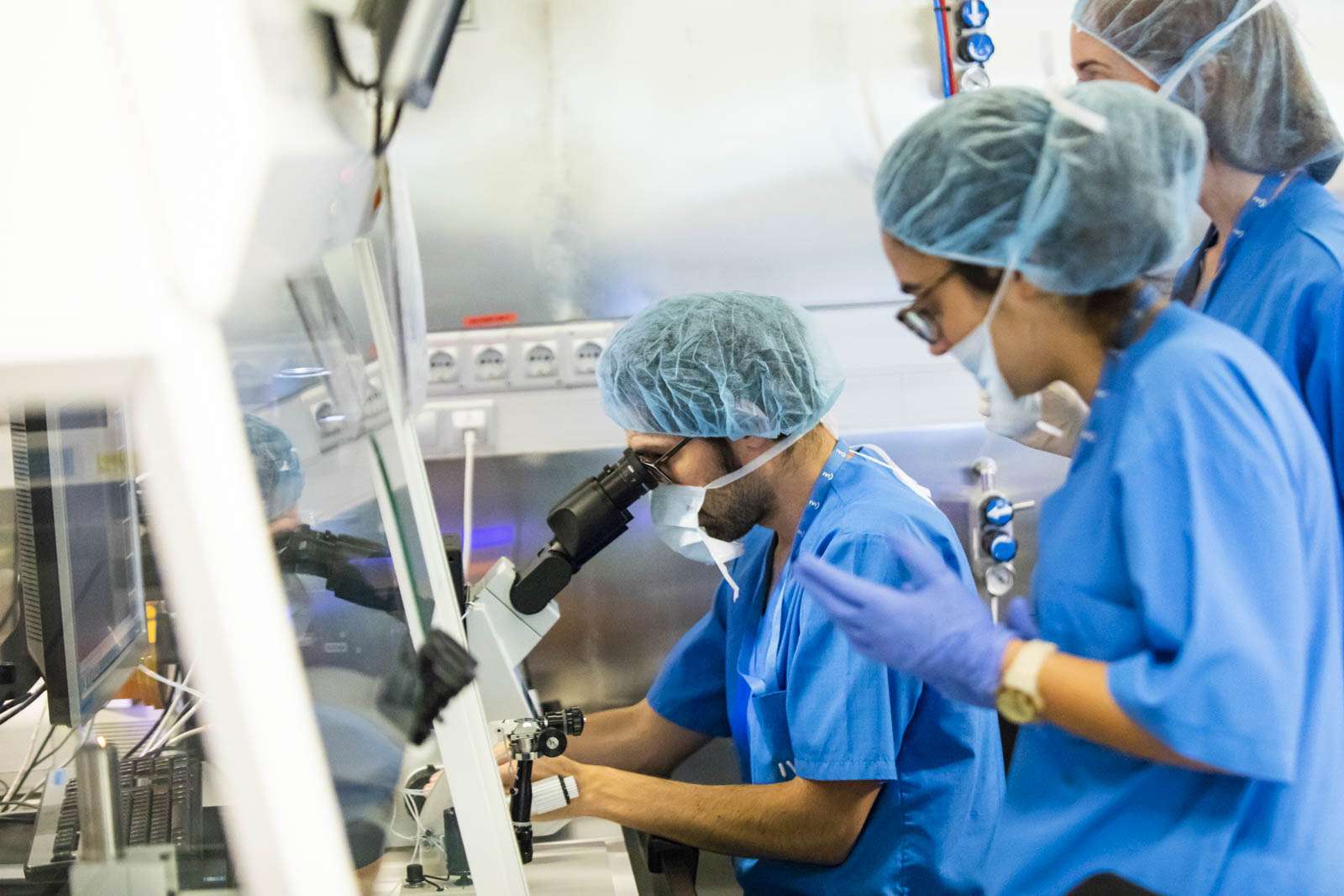
In Vitro Fertilisation (IVF) is one of the most well-know assisted reproduction techniques. It involves fertilisation and embryo development taking place inside a laboratory. It is often recommended in cases of long-term infertility, endometriosis, fallopian tube damage or injury or severe male factor infertility. It is also recommended in cases where previous attempts with lower complexity treatments have been unsuccessful.
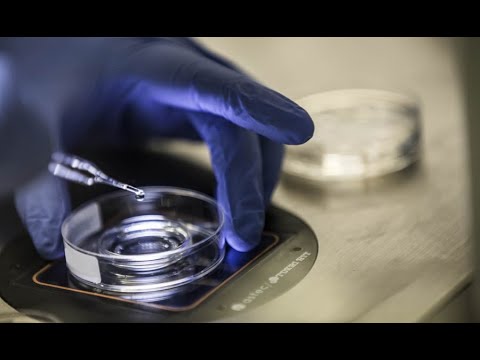
Intrauterine insemination (IUI) is a low-complexity fertility treatment that can be used to treat minor fertility problems. Intrauterine insemination is a type of artificial insemination and it is one of the least invasive fertility treatments. The menstrual cycle is monitored so the procedure can be timed when ovulation takes place. During the procedure, a prepared semen sample is deposited inside the uterus.

It is becoming increasingly common to use donor eggs or sperm in an IVF treatment. Donor eggs or sperm are often recommended in cases where there are unknown or untreatable issues with a patient’s own eggs or sperm. Different laws apply to gamete donation in different countries. As a result, anonymity and waiting times at an IVI Fertility clinic in the UK differ to those at one of our clinics in Spain.